
Beyond The Verdict: A Comparative Study of The Right To Be Forgotten and Post-Acquittal Digital Records in Pakistan
##semicolon##
Digital restorative justice##common.commaListSeparator## Data privacy##common.commaListSeparator## Data erasure##common.commaListSeparator## Article 14 constitution of Pakistan ##common.commaListSeparator## General data protection regulation##common.commaListSeparator## Prevention of Electronic Crimes act##common.commaListSeparator## Human dignity##article.abstract##
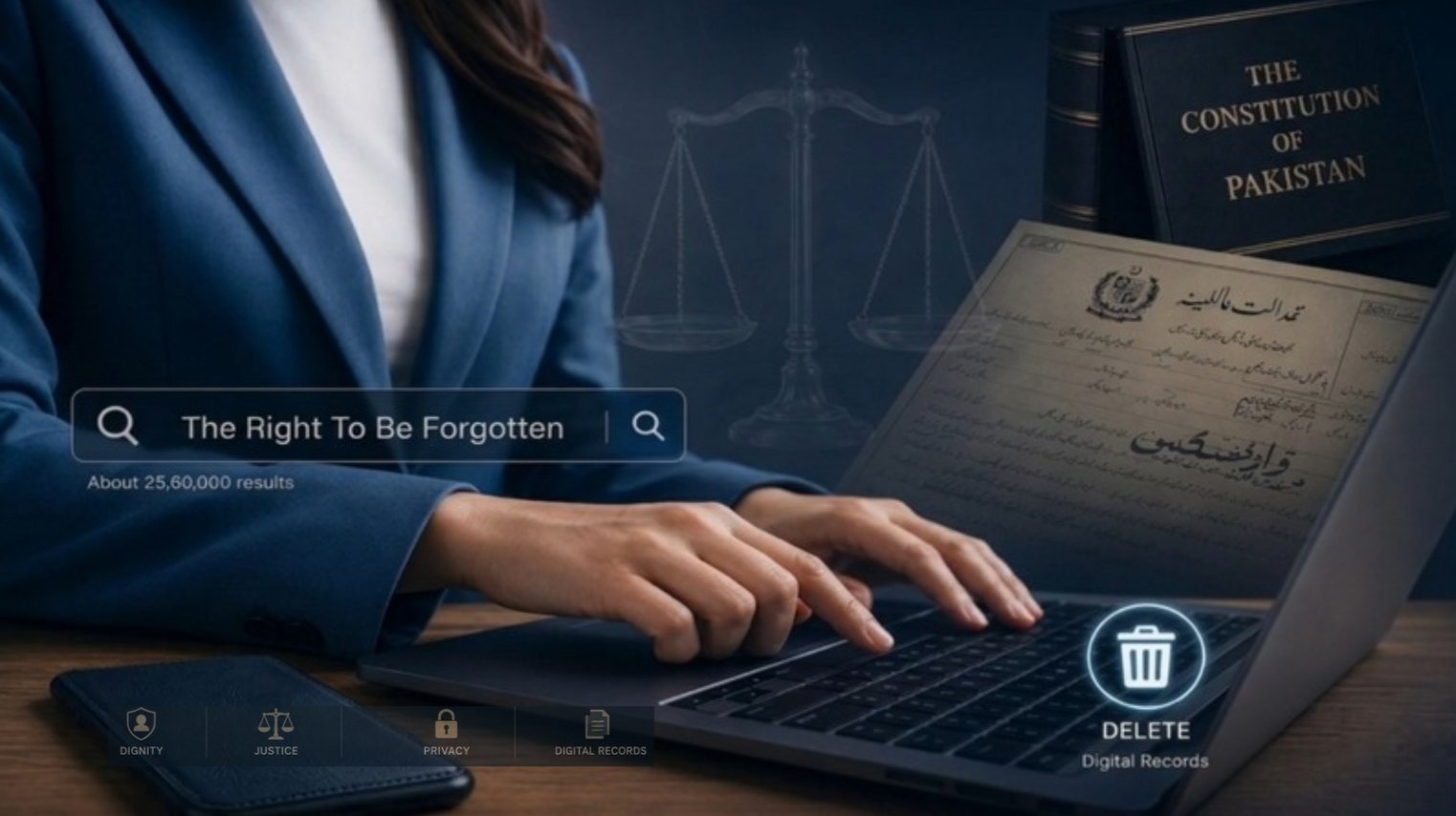
People may forget, but digital records hold memory for decades. Records of accusation and arrest appear on social media platforms and search engines almost as soon as they happen. The suspects are always the primary focus in a case, even when they haven not yet been proved to be the actual offender. This creates a major legal problem: a person may be found innocent in court, yet they remain digitally indicted for life, carrying a permanent stain on their reputation. The primary struggle for them isn not going through the investigation process and proving their innocence, but the fact that even once their integrity is restored on paper, they are sentenced to a lifetime of digital scrutiny. Acquittals often receive little attention, leaving those falsely charged under permanent suspicion. This article studies the Right to be Forgotten as a legal response to digital stigma, specifically examining the constitutional right to dignity and the legal need for social reintegration. The article reviews relevance for Pakistan, where criminal records and news archives remain widely accessible online and also compares it with international legal standards. The argument supports limited erasure or de indexing of harmful data after acquittal to balance the public’s right to know with individual rights and social stability.
##submission.citations##
Nelson Mandela, Long Walk to Freedom: The Autobiography of Nelson Mandela (Little, Brown & Co 1994).
Lado Beknazar-Yuzbashev and others, ‘Toxic Content and User Engagement on Social Media: Evidence from a Field Experiment’ (2025) CESifo Working Paper No 11644 https://www.cesifo.org/en/publications/2025/working-paper/toxic-content-and-user-engagement-social-media-evidence-field accessed 24 March 2026.
Constitution of the Islamic Republic of Pakistan 1973
Eesha Arshad Khan, ‘The Prevention of Electronic Crimes Act 2016: An Analysis’ (2018) 5 LUMS Law Journal 117.
Personal Data Protection Bill 2023 (Draft) <https://moitt.gov.pk/SiteImage/Misc/files/Final%20Draft%20Personal%20Data%20Protection%20Bill%20May%202023.pdf> accessed 200326.
Abdul Rehman Faryad v Government of Punjab (LHC, 18 July 2025) Writ Petition No 40844/2025.
Eleni Frantziou, 'Further Developments in the Right to be Forgotten: The European Court of Justice's Judgment in Case C-131/12, Google Spain, SL, Google Inc v Agencia Española de Protección de Datos' (2014) 14(4) HRLR 761
Paul Voigt and Axel von dem Bussche, The EU General Data Protection Regulation (GDPR): A Practical Guide (1st edn, Springer 2017)
Erin Daly, Dignity in the Criminal Legal System: A Policy Guide for Advocacy and Reform (1st edn, Widener University Delaware Law School 2024)
Kimberly E Capuder, 'Can a Person’s ‘Slate’ Ever Really Be ‘Cleaned’? The Modern-Day Implications of Pennsylvania’s Clean Slate Act' (2020) 94 St John's L Rev 501
##submission.downloads##
##submissions.published##
##issue.issue##
##section.section##
##submission.license##
##submission.copyrightStatement##
##submission.license.cc.by-nc-nd4.footer##